
Is Meal Prepping Actually Cheaper? We Did the Math
Everyone says meal prepping saves a fortune. But once you factor in containers, wasted food, and three hours of your Sunday, does it actually pencil out? We ran the numbers.
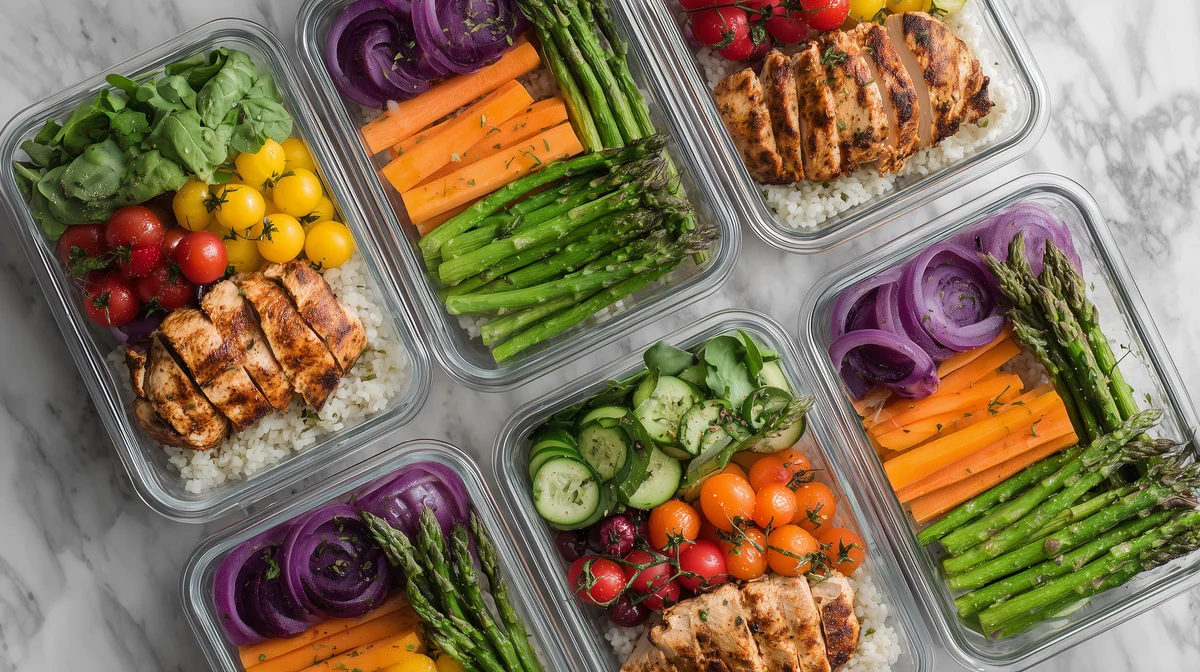
Scroll through any personal finance thread and someone will inevitably say it: “Just meal prep. You'll save so much money.” It's become gospel in the budgeting world, right up there with “cancel your subscriptions” and “stop buying lattes.”
But here's the thing: we've actually tried meal prepping. Multiple times. And while the first week felt great (look at all those matching containers!), by Wednesday we were eyeing the Chipotle across the street. By week three, we had mystery containers in the back of the fridge that nobody wanted to open.
So we decided to do what we do at DoubtCalc: stop guessing and run the actual numbers. Does meal prepping really save money, or is it just something that sounds good on paper?
The cost-per-meal showdown
Let's start with the headline numbers. Based on 2026 data, here's roughly what you're paying per meal depending on how you eat:
Meal Prep (basic recipes)
$2.50 to $4.50
per serving
Restaurant (casual)
$16 to $20
per meal
Delivery (DoorDash, etc.)
$22 to $30
per meal with fees
Frozen meals
$3.50 to $6
per meal
At first glance, meal prepping absolutely crushes restaurant dining and delivery. A home-cooked meal runs roughly a quarter of what you'd pay at a casual sit-down restaurant, and about a tenth of a delivered meal once fees and tips are included. Frozen meals are competitive on price but typically fall short on portions, nutrition, and taste.
But those per-serving numbers only tell part of the story. Let's get specific.
A real example: the classic chicken, rice, and veggies
This is the meal prep starter pack, the one every YouTube video recommends. Let's break down what a week of lunches actually costs using mid-2026 grocery prices.
For five servings of chicken breast with rice and roasted broccoli: about 2.5 lbs of chicken breast at $4.00/lb comes to $10.00. A 2 lb bag of rice costs around $2.50 (and you'll have plenty left over). Two heads of broccoli run about $3.50. Olive oil, seasoning, and garlic add roughly $1.50 per batch. That's a total of about $17.50 for five meals, or $3.50 per serving.
Compare that to buying lunch out five days a week. Even a “cheap” fast-casual lunch runs $12 to $16 with a drink. That's $60 to $80 per week on just weekday lunches. Meal prep saves you $42 to $62 per week on lunch alone, roughly $180 to $250 per month.
Want to price out your own recipes? Our Meal Prep Cost Calculator lets you plug in your ingredients and see the exact per-serving cost.
The hidden costs nobody talks about
Here's where the meal prep influencers conveniently cut away. The per-serving math looks great, but there are real costs that don't make it into the comparison.
Containers.A decent set of glass meal prep containers runs $20 to $35. Cheap plastic ones are $10 to $15 but warp and stain quickly. This is a one-time cost that pays for itself fast, but it's still money out the door on day one.
Pantry staples and spices.That “$1.50 in seasoning” assumes you already own garlic powder, cumin, paprika, Italian seasoning, soy sauce, and whatever else the recipe calls for. Stocking a basic spice rack from scratch runs $30 to $50. Oils, vinegars, and sauces add another $15 to $25. These last a long time, but the startup cost is real.
Food waste.This is the big one. The USDA estimates that the average American household wastes about 30 to 40% of the food they buy. Meal prep doesn't magically fix this. It can actually make it worse if you prep five lunches and only eat three because you got tired of the same thing by Wednesday. That $3.50 per serving jumps to $5.80 if you toss two out of five meals.
Your time.A typical Sunday meal prep session takes 2 to 3 hours including shopping, cooking, and cleanup. Is that a “cost”? That depends on your perspective. If you enjoy cooking, it's free entertainment. If you despise it, those hours have real value. At even $15/hour, that's $30 to $45 of your time per week, which doesn't erase the savings, but does shrink them.
When meal prepping does NOT save money
Meal prepping isn't a guaranteed win. Here are the scenarios where it can actually cost you more than just eating simply.
Fancy recipes with premium ingredients.If your meal prep involves salmon fillets, avocados, pine nuts, and fresh herbs, your cost per serving can easily hit $7 to $10. At that point, you're not that far off from a lunch special at a decent restaurant, and someone else does the dishes.
Cooking for one.Recipes are typically designed for 4 to 6 servings. A single person either eats the same meal repeatedly (leading to burnout and waste) or needs to scale recipes down, which often means buying ingredients in quantities that don't match what you need. Half a bunch of cilantro goes bad. You use a tablespoon of tomato paste and the rest sits in the fridge. Need to adjust a recipe? Our Recipe Scaler can help you resize portions without the guesswork.
Perishable ingredients that spoil. Fresh produce, herbs, and proteins have a limited window. If your schedule changes and you skip a few prepped meals, those ingredients (and dollars) go straight into the trash. This is the number one reason meal prep budgets blow up for beginners.
When you eat out anyway.The worst outcome is prepping a week of meals and then eating out three times because you had a rough day, a friend invited you to lunch, or you just didn't feel like reheated chicken again. Now you've paid for both.
When meal prepping saves the most
On the flip side, certain situations make meal prepping a no-brainer from a cost perspective.
Families.Cooking for 3 to 5 people is where meal prep economics really shine. The cost per serving drops dramatically because you're spreading fixed costs (time, energy, pantry staples) across more portions. A family of four replacing takeout dinners with home-prepped meals can easily save $600 to $800 per month.
Simple, repeatable recipes.The people who save the most aren't making Instagram-worthy grain bowls. They're rotating through 3 to 4 solid recipes that use overlapping ingredients: chicken and rice one week, chicken stir-fry the next, chicken soup the week after. Boring? Maybe. Effective? Absolutely.
High-cost-of-living areas. If you live in San Francisco, New York, or Seattle, eating out averages $18 to $25 per meal. Your grocery costs are higher too, but the gap between cooking and dining out is even wider. Meal prepping in an expensive city can save $500+ per month per person compared to regular restaurant meals.
People who currently order delivery.If your default is DoorDash or Uber Eats, you're paying a 30 to 40% premium on top of already-inflated menu prices, plus delivery fees and tips. Switching from $25 delivered meals to $3.50 prepped meals is the single biggest food budget win there is.
Practical tips if you're just starting out
If you want to give meal prepping a real shot without wasting money learning the hard way, here's what actually works.
Start with lunches only.Don't try to prep every meal for the entire week. Prep five lunches and cook dinners normally. This cuts your prep time in half and reduces the chance of food fatigue. Once you have a rhythm, expand from there.
Pick recipes with overlapping ingredients.If Monday's recipe needs bell peppers and Thursday's needs bell peppers, buy one big bag instead of letting half a pepper rot. Plan your week around shared ingredients to minimize waste.
Freeze what you won't eat in 3 days.Most prepped meals last 3 to 4 days in the fridge and 2 to 3 months in the freezer. If you're prepping five meals, refrigerate three and freeze two. Pull the frozen ones out mid-week. This solves the food waste problem almost entirely.
Buy store-brand staples. Brand-name rice, canned beans, and frozen vegetables are functionally identical to store brands at 20 to 30% less. Use our Discount Calculator to see how much those sale prices actually save you per serving.
Track your actual spending.The biggest mistake beginners make is not comparing what they actually spend. Track two weeks of normal eating costs, then two weeks of meal prepping. The numbers don't lie, and they'll motivate you to stick with it if the savings are real.
Not sure about measurement conversions while cooking? The Cooking Converter handles tablespoons to cups, ounces to grams, and everything in between.
The bottom line
Yes, meal prepping is genuinely cheaper than eating out, often dramatically so. At $3 to $5 per serving versus $16 to $20 at a restaurant (or $22 to $30 delivered), the math is not close. A consistent meal prepper can realistically save $200 to $400 per month compared to regular restaurant dining.
But “cheaper” isn't the same as “cheap.” Hidden costs like food waste, startup supplies, and your time chip away at the headline savings. And if you're the type who preps a beautiful week of meals and then orders pizza on Tuesday, you're paying double.
The sweet spot is realistic meal prepping: simple recipes, smart shopping, freezing what you won't eat quickly, and giving yourself permission to not prep every single meal. Perfection isn't the goal. Just being a little more intentional about how you eat.
Ready to see what your own meal prep would actually cost? Try our Meal Prep Cost Calculator and find out exactly how much you'd save with your favorite recipes.
Related calculators
- Meal Prep Cost Calculator : Price out your recipes and see cost per serving
- Recipe Scaler : Resize any recipe up or down without the guesswork
- Cooking Converter : Convert between cups, tablespoons, ounces, and grams
- Discount Calculator : See how much you actually save on sale items
Sources & methodology: Grocery prices based on 2026 national averages from USDA food cost reports and major retailers. Restaurant meal costs from industry surveys and BLS consumer expenditure data. Delivery costs include average platform fees, service charges, and tips. Per-serving calculations assume standard portion sizes. All figures are estimates, and your actual costs will vary based on location, store choices, recipe selection, and eating habits.