
How Much Does Emergency Preparedness Actually Cost?
Hurricane season starts June 1, and only about half of American households have emergency supplies ready. The most common reason people skip it is not knowing where to start or what it costs. Here is the real price tag, item by item, and how to build a kit without blowing your budget.
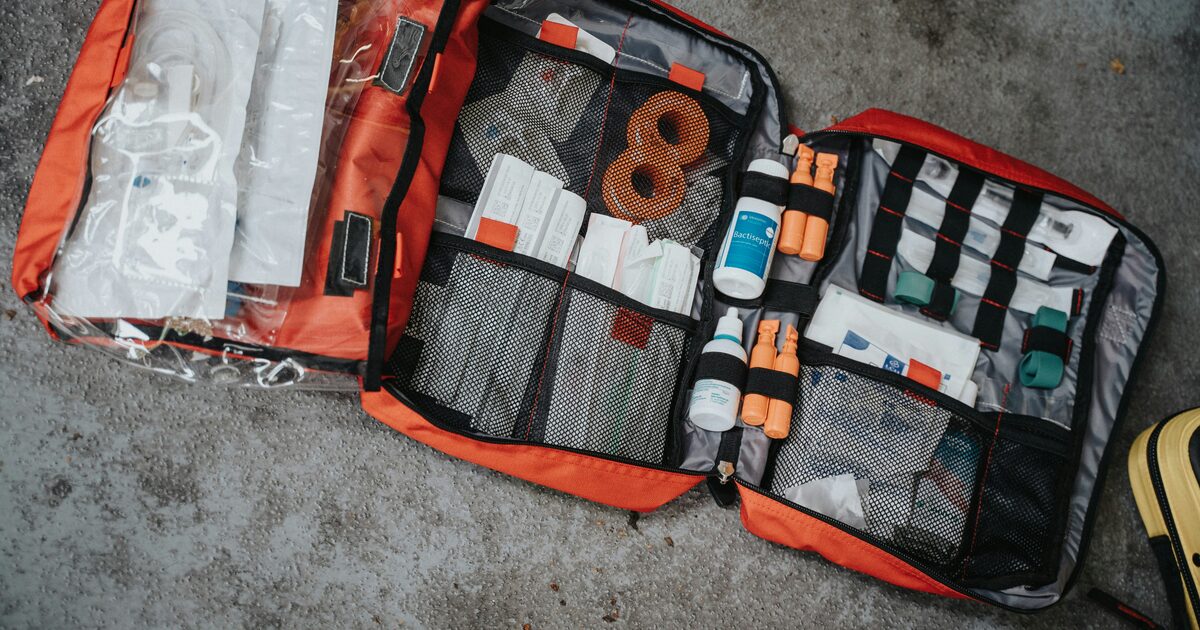
According to FEMA, only 48% of Americans have emergency supplies at home, and just 39% have developed an actual emergency plan. That means more than half the country would be scrambling if a hurricane, wildfire, winter storm, or extended power outage hit tomorrow.
The gap is not about awareness. Most people know they should prepare. The problem is that "build an emergency kit" feels expensive and overwhelming when you do not know the specifics. How much water does a family of four actually need for a week? How many batteries? What does it all cost?
This article breaks it down item by item with real prices so you can see exactly what preparedness costs for your household. Use our emergency preparedness calculator to get a personalized supply list and cost estimate based on your specific household size and the number of days you want to prepare for.
The quick answer: $150 to $800 depending on family size
A basic 3-day emergency kit for two adults costs roughly $150 to $300. A 7-day kit for a family of four runs $400 to $800. The range depends on what you already own (flashlights, blankets, a first aid kit) and whether you buy budget or mid-range items.
Estimated kit cost by household size (7-day supply)
These numbers assume you are buying everything from scratch. Most households already have some of these items (a flashlight, blankets, some canned food), which brings the actual out-of-pocket cost down. The one-time supplies like a weather radio and power banks last for years, so the ongoing cost of maintaining a kit is mostly just rotating food and water.
Where the money actually goes
Water: $25 to $50. FEMA recommends 1 gallon per person per day. A family of four preparing for 7 days needs 28 gallons. A case of 24 half-liter bottles runs about $5 at most stores, but gallon jugs ($1 to $1.50 each) are more cost effective for home storage. Budget about $35 for 28 gallons.
Food: $50 to $150. The goal is 2,000 calories per adult per day from non-perishable sources. Canned soup, beans, tuna, peanut butter, crackers, granola bars, and dried fruit all work. For a family of four for 7 days, you need roughly 84 meal servings. At $2 to $4 per meal from canned goods and shelf-stable items, that is $170 to $335 if starting from zero. Most families already have some of this in their pantry.
Flashlights and batteries: $30 to $60. One LED flashlight per person ($5 to $10 each) plus a mix of AA and D batteries ($8 to $12 per variety pack). LED flashlights last dramatically longer on batteries than older models. A hand-crank flashlight ($10 to $15) is worth adding as a backup that never needs batteries.
NOAA weather radio: $35 to $50. This is the one item most people skip and should not. When cell towers go down, a battery-powered or hand-crank NOAA radio is your only connection to emergency alerts. It is the most valuable $25 in the entire kit.
Power banks: $15 to $30 each. A 10,000 mAh power bank charges most phones 2 to 3 times. One per adult in the household is the right number. Keep them charged and top them off quarterly, as lithium batteries slowly lose charge even sitting in a drawer.
First aid kit: $15 to $30. A basic first aid kit covers bandages, antiseptic, pain relievers, and tweezers. Pre-made kits at this price point are fine for most families. Add any prescription medications as a separate rotating supply.
Cash: $200 or more. This is the cost that surprises people. ATMs and card readers do not work during power outages, and stores that are open may be cash only. FEMA recommends keeping small bills ($1, $5, $10, $20) since stores may not be able to make change. This is not an expense so much as money you are setting aside, but it needs to be in your kit and not in your wallet.
Everything else: $30 to $80. Hygiene supplies (toilet paper, hand sanitizer, soap, toothbrush), emergency blankets or sleeping bags, a manual can opener, garbage bags, duct tape, a whistle, and copies of important documents in a waterproof bag. Most of these are cheap individually but add up when you are buying them all at once.
Pre-made kits vs building your own
You can buy pre-made emergency kits on Amazon for $60 to $300. They are convenient but almost always a worse deal than building your own. Most pre-made kits include thin mylar blankets, tiny water pouches (not nearly enough for a full day), off-brand flashlights, and generic food bars. They check the box of "having a kit" without actually preparing you for a real emergency.
The bigger problem is what pre-made kits leave out: prescription medications, cash, a quality power bank, enough water for multiple days, and supplies for kids or pets. A $100 pre-made kit plus the items you still need to add separately often costs more than building a better kit from scratch.
Build your own. You will spend less, get better quality items, and customize for your family's actual needs. Our emergency preparedness calculator gives you a complete shopping list with quantities based on your household size.
The 4-week budget-friendly build plan
The single biggest barrier to emergency preparedness is the perception that you need to spend hundreds of dollars all at once. You do not. Here is how to build a solid 7-day kit for a family of four over four weeks, spending about $100 to $150 per week.
Week 1: Water and food ($80 to $120). Buy 28 gallons of water (about $35) and start building your food supply with canned goods, peanut butter, crackers, and granola bars ($45 to $85). Add a manual can opener if you do not already have one ($5).
Week 2: Lights and power ($50 to $80). Buy LED flashlights for each family member ($20 to $40), a battery variety pack ($10 to $15), and one or two power banks ($25 to $50). Charge the power banks immediately.
Week 3: Safety and communication ($50 to $80). Buy a NOAA weather radio ($35 to $50), a first aid kit ($15 to $25), and hygiene supplies like hand sanitizer, soap, and toilet paper ($15 to $25). Pull together copies of important documents (IDs, insurance, medical records) and put them in a zip-lock bag.
Week 4: Cash and comfort ($50 to $100+). Set aside $200 or more in small bills. Add emergency blankets or sleeping bags, extra medications, pet supplies if needed, and any scenario-specific items for your region (N95 masks for wildfire areas, tarps for hurricane zones).
By the end of the month, you have a complete kit for under $400 out-of-pocket (not counting the cash, which is still your money). That is less than most families spend on dining out in a month. If even $100 per week is tight, stretch it to 6 or 8 weeks. The timeline does not matter. What matters is starting.
Why this matters right now: 2026 hurricane season
Hurricane season officially starts June 1. AccuWeather is predicting 11 to 16 named storms for 2026, including 4 to 7 hurricanes and 2 to 4 major hurricanes. Colorado State University forecasts 13 named storms. While a developing El Nino may suppress some Atlantic activity, forecasters are still calling for a meaningful season.
NOAA will announce its official 2026 outlook on May 21. But you do not need to wait for the forecast to start preparing. After major hurricanes, communities have gone 7 to 14 days without power, running water, or access to grocery stores. Stores that reopen often sell out of water and batteries within hours. The time to prepare is before the storm is in the forecast, not after.
And hurricanes are not the only risk. Extended power outages, winter storms, wildfires, and earthquakes all require the same basic preparedness. Whether you live on the Gulf Coast or in the Midwest, having supplies for 7 days without utilities is a practical baseline for any household.
The items most people forget
Water, food, and flashlights are the obvious ones. Here is what people consistently leave out of their kits and regret during an actual emergency.
Prescription medications. If you or a family member takes daily medication, a 30-day rotating supply in your kit is critical. During Hurricane Katrina and Hurricane Maria, pharmacies were closed for days or weeks. Talk to your pharmacy about getting an extra refill specifically for emergency storage.
Cash in small bills. When the power is out, credit cards and ATMs are useless. The few stores that open are cash only and may not have change. Keep at least $200 in $1, $5, $10, and $20 bills inside your kit.
A way to charge your phone. Your phone is your flashlight, your communication device, and your connection to emergency alerts. A dead phone in an emergency is a serious problem. A 10,000 mAh power bank ($15 to $25) provides 2 to 3 full charges and fits in a drawer.
Copies of important documents. If you need to evacuate, having copies of insurance policies, IDs, medical records, and bank account information in a waterproof bag can save you weeks of bureaucratic headaches during recovery.
Pet supplies. Your dog or cat needs water, food, and medications too. About half a gallon of water per pet per day and half a pound of food per day is a reasonable estimate. Include vaccination records, a leash or carrier, and waste bags.
If you are not sure how much of each item your specific household needs, our emergency preparedness calculator does the math for you based on your exact household size, the number of days you want to prepare for, and your specific disaster scenario.
Maintaining your kit long term
Building the kit is step one. Keeping it current is what makes it actually useful when you need it. Check your kit every 6 months. The easiest way to remember is to tie it to daylight saving time. When you change the clocks, check the kit.
Replace stored water every 6 to 12 months. Rotate canned food before it expires by using the oldest cans in regular meals and replacing them with fresh stock. Test flashlights and replace dead batteries. Recharge power banks. Update prescription medications. If your household size has changed (new baby, elderly parent moved in, new pet), adjust your quantities.
The ongoing cost of maintaining a kit is minimal: $30 to $50 per year for water and food rotation, plus battery replacements. The initial build is the big investment. After that, it is just upkeep. If you already have a financial emergency fund, think of your supply kit as the physical version of the same principle: preparation that sits there quietly until the day you are very glad it exists.
The bottom line
Emergency preparedness costs $150 to $800 depending on your household size and how many days you want to cover. The cash set aside in your kit is still your money. The supplies themselves are mostly items you can pick up during regular shopping trips over a few weeks.
The real cost of not preparing is much higher. Bottled water that costs $1.25 at Walmart costs $5 or more when a storm is bearing down and shelves are emptying. Batteries that cost $10 on a normal Tuesday cost $25 or more during a run on supplies. And medications that are a $10 copay at your pharmacy become an urgent medical problem when the pharmacy is closed for two weeks.
Start this week. Even if you only buy water and canned food, you are further ahead than half the country. Use our emergency preparedness calculator to get your personalized list, then build your kit one week at a time.
Get your personalized supply list
Enter your household size and get exact quantities with estimated costs for your emergency kit.
Hurricane season starts June 1. Share this with someone who has not started preparing yet.
Disclaimer: Supply quantities in this article are based on guidelines from FEMA, the American Red Cross, and Ready.gov as of May 2026. Costs are approximate and based on national average retail prices. Individual needs vary based on health conditions, dietary restrictions, climate, and local risk factors. This article is for educational purposes only. Consult your local emergency management office for region-specific guidance.