
Rising Gas Prices in 2026: The Real Impact on Your Wallet
Gas just hit $4.55 per gallon nationally, the highest price since the 2022 crisis. But the pump is only where the pain starts. Here is how the 2026 oil price surge is rippling through your grocery bill, your summer travel plans, and next winter's heating costs.
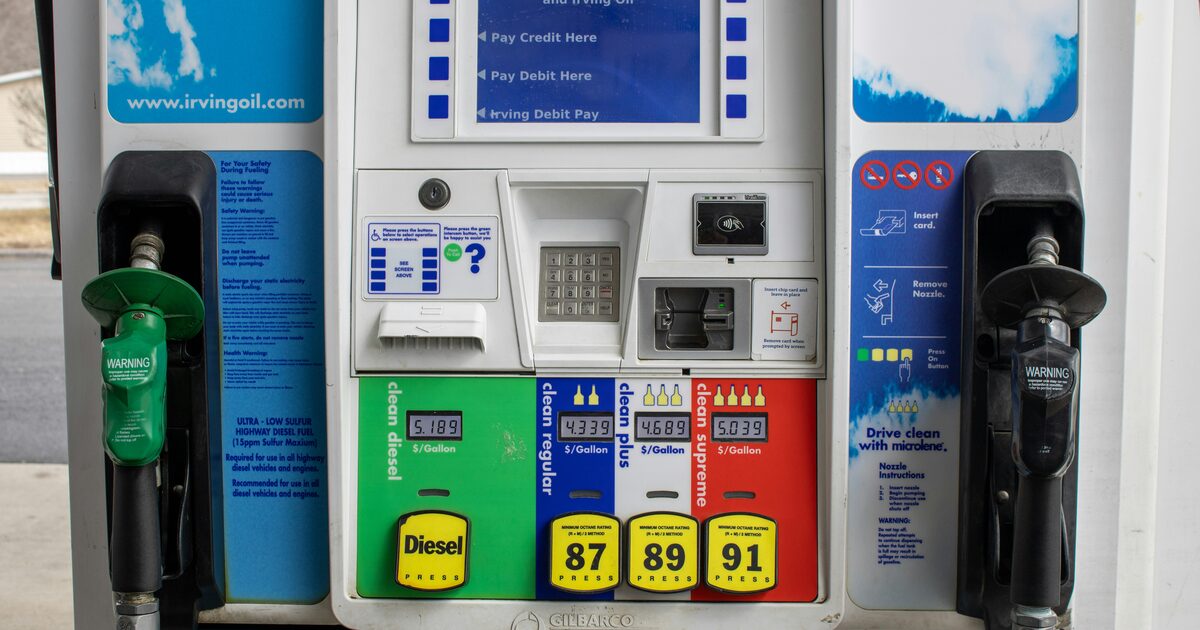
The national average for a gallon of regular gas rose 25 cents for the second straight week in early May 2026, landing at $4.55 per gallon. That is $1.40 higher than the same time last year. In six states, including California, Hawaii, and Nevada, drivers are paying more than $5 per gallon. California is above $6.
The cause is not a mystery. The conflict that began on February 28, 2026 led to the closure of the Strait of Hormuz, the narrow waterway through which roughly 20% of the world's oil trade passes. The International Energy Agency has called it the largest supply disruption in the history of the global oil market. Brent crude oil surged past $100 per barrel in March for the first time in four years, peaking at $126 before settling into the low $100s.
What does that mean for your household? The short answer: you are paying more for nearly everything. Gas prices do not exist in a vacuum. When oil gets expensive, the cost of moving goods goes up, the cost of heating your home goes up, and the cost of getting anywhere by car or plane goes up. This article breaks down exactly where those costs are landing and what you can do to protect your budget.
The pump: what $4.55 per gallon actually costs you per year
The average American driver uses about 575 gallons of gas per year, down from 656 gallons a decade ago thanks to more fuel efficient vehicles and the rise of hybrids and EVs. At $4.55 per gallon, that works out to roughly $2,616 per year, or $218 per month, in fuel costs alone.
A year ago, that same driver was paying about $3.15 per gallon, spending roughly $1,811 per year. The difference is about $805 annually, or $67 per month, that has quietly disappeared from household budgets. For a two car family, double those numbers.
Annual fuel cost comparison (575 gallons per year)
Want to see exactly what gas is costing you? Our gas cost over time calculator lets you plug in your exact gas price, MPG, and weekly driving to see projections for the next week, month, six months, and full year. It also shows how your costs change if gas goes up or down from here.
Low income households are getting hit the hardest
A New York Fed study from May 2026 found that the median lower income household now spends 4.2% of their income on gasoline, up from 3.9% a year earlier and above pre-pandemic 2019 levels. For households earning under $40,000 per year, the situation is worse: they cut gas consumption by 7% in March 2026, likely by carpooling or switching to public transit where available, but still spent 12% more on gas than the same month a year ago.
Higher income households, by contrast, have barely changed their driving habits. They reduced gas consumption only modestly while absorbing the higher cost without significant lifestyle adjustments. The result is a widening gap: the same gas price increase is a minor inconvenience for some families and a genuine financial crisis for others.
Over 18 million U.S. households in the lowest income quintile are spending an extra 5% of their post-tax income on gasoline compared to a year ago. For a family already stretching to cover rent, groceries, and childcare, $67 more per month on gas is not an abstraction. It is the difference between paying a bill on time and falling behind.
The grocery store: where gas prices show up on your receipt
If you have noticed your grocery bill creeping up this spring, gas prices are a big reason why. Nearly every item in a grocery store arrived on a diesel fueled truck, and diesel prices have risen even more steeply than regular gas, jumping from $3.89 per gallon in early March to over $5.37 by mid-March. The Consumer Price Index projects a 2.9% increase in overall food prices for 2026, with prepared foods rising faster than at-home grocery items.
But the diesel price is only part of the story. Higher oil prices raise the cost of fertilizer (petrochemical based), plastic packaging (petroleum derived), and refrigeration (energy intensive). A University of Virginia Darden School analysis found that soaring gas prices and disrupted supply chains will ripple out to increase costs in every store and sector of the economy. If shipping limitations persist, the impact will be most severe for goods with high transportation costs: fresh produce, dairy, meat, and construction materials.
According to a Numerator survey, 72% of drivers say higher gas prices have caused them to cut spending from other categories. The most common cuts: dining out (43%), travel (32%), groceries (30%), and entertainment (30%). When gas takes a bigger bite, everything else gets squeezed.
Summer travel: the road trip just got a lot more expensive
Summer 2026 travel is shaping up to be the most expensive in years. The average vacation now costs $7,249, which is 11% more than in 2024 and more than double what it cost in 2022, driven largely by fuel surcharges that airlines and rental car companies pass directly to consumers.
For road trips, the math is simple but painful. A family driving an SUV averaging 24 MPG on a 2,000 mile round trip road trip will burn about 83 gallons of gas. At $4.55 per gallon, that is roughly $380 in fuel alone, compared to about $262 at last year's prices. That $118 difference buys a nice dinner out or an extra night in a hotel. Check out our full road trip cost breakdown to see how gas fits into the bigger picture of trip budgeting.
Air travel is not sparing anyone either. Domestic fares booked three weeks in advance have surged 10% to 50% depending on route, with airlines passing jet fuel surcharges directly to ticket prices. A survey found that 32% of summer travelers in 2026 are planning to use credit card points to cover expenses, a clear sign that households are adapting to higher costs rather than canceling plans outright.
Transportation Secretary Sean Duffy has urged families to go ahead with summer road trips, but the reality is that many households are shortening trips, choosing closer destinations, or skipping travel altogether. When gas eats into the budget before you even leave the driveway, every other trip expense feels heavier.
Looking ahead: what this means for winter heating
Summer is the immediate concern, but the oil price surge has implications for heating season too. Heating oil, which is closely linked to diesel, hit $4.46 per gallon nationally as of March 2026. If crude oil prices remain elevated through the fall, winter 2026/2027 heating costs could be significantly higher than last year.
The numbers from last winter already showed the trend. Natural gas heating costs averaged $693 per household, up from $639 the previous year. Heating oil customers paid an average of $1,587 for the season, a 4.6% increase. Propane users spent $1,339, up 1.1%. The biggest regional hits were in the Midwest (up 7%) and the Northeast (up 4%).
Winter heating costs by fuel type (2025/2026 season)
Looking forward, the EIA expects natural gas to average $4.01 per million BTU in 2026, up sharply from $2.19 in 2024. Contributing factors go beyond the oil crisis: growing demand from overseas LNG exports and the massive energy appetite of data centers powering the AI boom are both putting upward pressure on domestic natural gas prices.
If you heat with oil or propane, the connection to crude oil prices is even more direct. Homeowners who locked in heating oil contracts last summer at lower prices are protected for now. Those who buy at market price through the winter will feel the full impact. If crude stays above $100 per barrel through fall, heating oil could exceed $5 per gallon in the Northeast.
Will gas prices come back down?
The short term outlook is uncertain. The EIA forecasts Brent crude to peak around $115 per barrel in the second quarter of 2026 and then gradually ease as production disruptions stabilize. Their retail gasoline forecast puts the peak monthly average at about $4.30 per gallon. But those forecasts were built before the most recent price spikes, and they hinge on the assumption that the Strait of Hormuz situation improves.
Looking further out, there is some reason for optimism. Analysts expect global oil production to eventually exceed demand, which would push prices down. The EIA's longer term forecast puts Brent crude below $90 per barrel in Q4 2026 and averaging $76 per barrel in 2027. But Energy Secretary Chris Wright has said publicly that he is "avoiding price predictions," which is about as clear a signal as you will get that nobody knows how this plays out.
The bottom line: planning your budget around $3 gas coming back any time soon is risky. Planning around $4 to $5 gas for the rest of 2026 is the safer assumption.
What you can actually do about it
You cannot control oil markets or geopolitics, but you can control how much gas you burn and how you allocate your budget. Here are the moves that make the biggest difference.
Know your actual gas spending. Most people underestimate how much they spend on fuel because it happens $40 to $70 at a time rather than in one visible payment. Use our gas cost over time calculator to see your true weekly, monthly, and annual fuel cost. Seeing the annual number in one place often motivates changes that weekly fill ups never do.
Consolidate trips and errands. The simplest way to use less gas is to drive fewer miles. Batch your errands into one trip instead of three. If your commute is flexible, consider working from home one or two extra days per week. Even one day saves 20% of your weekly commuting fuel.
Check your tire pressure. Underinflated tires increase fuel consumption by 0.2% for every 1 PSI drop below the recommended level. A set of tires that is 10 PSI low wastes about 2% of your fuel. Checking and filling your tires takes five minutes and costs nothing at most gas stations.
Use gas rewards programs. Most grocery chains offer fuel points that translate to $0.10 to $0.30 per gallon off at partner stations. At 575 gallons per year, even $0.10 off per gallon saves $57.50 annually. Stack that with a gas rewards credit card offering 3% to 5% cash back on fuel and you are recovering $100 or more per year.
Run the numbers on your next car. If you are driving a vehicle that gets 18 MPG and considering your next purchase, the fuel cost difference between 18 MPG and 30 MPG is dramatic at current prices. At $4.55 per gallon and 250 miles per week, the 18 MPG vehicle costs $3,277 per year in gas. The 30 MPG vehicle costs $1,966. That is $1,311 per year in savings from fuel alone. Our gas mileage calculator can help you measure your current MPG, and our EV vs gas calculator shows whether switching to electric makes financial sense for your driving pattern.
Plan summer travel now, not later. If you are planning a road trip this summer, lock in hotel reservations at cancellable rates, map out your route using GasBuddy to find cheaper stations along the way, and budget for gas at $4.50 or higher. If you are flying, book sooner rather than later, as fares are rising as jet fuel costs climb. Our road trip cost breakdown and summer AC cost guide can help you budget for the full picture.
Prepare for heating season early. If you heat with oil or propane, call your supplier now about pre-buy or price lock programs for next winter. Locking in a price over the summer, when demand is lower, typically saves 10% to 20% compared to buying at market rate in January. If you heat with natural gas, this is the summer to seal drafty windows, add weatherstripping, and check your insulation. Every dollar you do not spend heating the outside saves you real money when the furnace kicks on.
The bottom line
Gas at $4.55 per gallon is costing the average driver roughly $805 more per year than they were paying 12 months ago. But that pump price is just the most visible symptom of a broader oil shock that is raising grocery bills, inflating summer travel costs, and setting up a potentially expensive winter heating season.
The households feeling it most are the ones who can least afford it. Lower income families are already cutting back on driving, dining out, and groceries to absorb the increase. The relief timeline is unclear, with analysts split on whether prices stabilize this summer or persist into 2027.
What is clear is that understanding your actual spending is the first step toward controlling it. Run your numbers, make the low cost adjustments (tires, trip consolidation, rewards programs), and plan ahead for heating season while you still have time to lock in better rates.
Know your numbers
Use these tools to see exactly what gas prices are costing you and compare your options.
Disclaimer: This article is based on publicly available data from the EIA, AAA, the New York Federal Reserve, and other sources as of May 2026. Gas prices, oil markets, and economic conditions change rapidly. The information here is for educational purposes only and should not be considered financial advice. Consult a qualified financial advisor for decisions specific to your situation.